
Why Silos Exist
Organizations often struggle with silos—departments or teams working in isolation, protecting their own priorities and perspectives. While specialization is necessary, silos limit collaboration, slow innovation, and create tension. The irony? The very differences that create silos are also the key to breaking them down.
Diversity as a Source of Innovation
Diversity is useful—the greater the difference, the greater the possibilities for learning and creating something new together. When teams bring unique perspectives, they unlock creativity and resilience. But first, we need to understand those differences.
Deep Democracy: Every Perspective Holds a Piece of the Truth
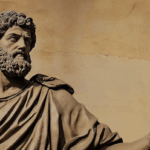
• One touches the leg and says, “The elephant is like a tree.”
• Another feels the ear and says, “It’s like a sail.”
• A third touches the trunk and says, “It’s like a snake.”
Internal Geography: My Land, Your Land
We all live in unique “lands” shaped by culture, experience, and values. Each land has its own rules, traditions, and even “border patrol” deciding what ideas are allowed in. Some lands are open and curious; others are cautious and protective.
When departments interact, it’s like international politics—different worlds negotiating shared goals. The key? Become a skilled traveler.
Metaskills for Crossing Borders
To bridge silos, leaders and teams need three core metaskills:
• Respect – Acknowledge the validity of others’ experiences.
• Inquiry & Awareness – Stay curious, not judgmental.
• Deep Democracy – Recognize that every voice matters.
Practical Application
We can actually become better at this by using specific exercises , where teams explore their internal “lands” and then visit others’. For example:
• From Product Development Land: a positive, innovative mindset.
• From Quality Land: planning and cooperation.
• From CEO Land: strategic perspective.
• From Production Land: humour and directness.
• From Marketing Land: ownership and energy.
Conclusion: From Silos to Shared Landscapes
When we hold the metaphor that each of us lives in our own world, we can bypass the debate over what is “true” and instead respect the validity of each perspective. By becoming respectful and curious travellers, we learn from differences and turn them into a source of strength. Breaking down silos isn’t about eliminating differences —it’s about leveraging them to create something greater together.
Questions to reflect on
• What assumptions do I hold about other departments or teams—and how might those assumptions limit collaboration?
• How often do I actively seek to understand the challenges and priorities of other teams before making decisions?”
• What am I doing to create a culture where differences are seen as assets rather than obstacles?