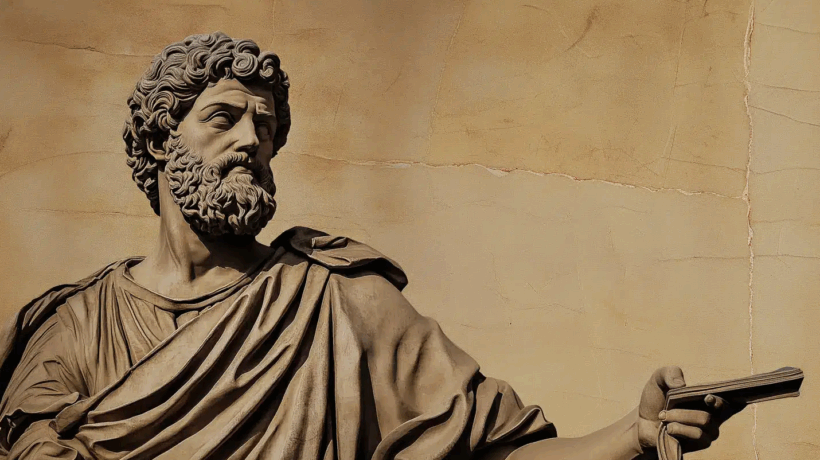
Marcus Aurelius once wrote, “The happiness of your life depends upon the quality of
your thoughts.” Two thousand years later, neuroscience echoes that wisdom: the quality
of our thinking determines not just our effectiveness, but our energy.
In leadership, every decision is an energy transaction. Each choice—to react or to respond, to indulge or to restrain—burns or conserves mental fuel. The brain’s prefrontal cortex, responsible for reasoning and long-term planning, consumes significant energy when overriding the emotional impulses of the limbic system. Self-control is metabolically expensive. But moral shortcuts—dishonesty, ego-driven decisions, reactive leadership—cost far more in the long run.
When leaders act against their values, the brain lights up with short-term chemical
rewards. Dopamine surges, relief floods in—it feels good, even justified. But like a
machine running on fumes, that brief Efficiency leaves behind waste: guilt, stress,
cognitive dissonance. The mind must work overtime to reconcile behavior that violates
belief. In energy terms, vice is expensive.
Virtue, by contrast, often feels inefficient at first. It demands restraint, patience,
humility, and delayed gratification—the traits least glamorous but most stabilizing. To
act with integrity is to invest energy today for clarity tomorrow. And like any good
investment, the returns compound. Neural pathways of discipline strengthen with
repetition. Decisions become smoother. Integrity becomes habit.
Leaders often equate Efficiency with speed or productivity. But the truest Efficiency is
moral. Every compromise of integrity drains far more than it delivers. It consumes focus,
erodes trust, and fractures the mental equilibrium required for sound judgment. As
Epictetus warned, “Consider at what price you sell your integrity; but please, for God’s
sake, don’t sell it cheap.”
Because nothing drains a leader faster than knowing they could have done better—and
didn’t. And nothing sustains a leader longer than the quiet strength of a mind, and an
organization, at peace with itself.
Ask yourself
• Where in your leadership do you spend the most energy fighting internal conflict rather than leading with clarity?
• What decisions have left you feeling mentally lighter—and which have left residue of regret or fatigue?
• When you make a tough choice, are you optimizing for short-term relief or longterm peace?
• Do your daily habits reinforce your highest values—or quietly erode them?
• If integrity is the currency of trust, what’s the current balance in your leadership account?